What Is Down Syndrome? The Role of Occupational and Speech Therapy
Down syndrome is a genetic condition involving extra genetic material from chromosome 21. It affects body and brain development and may involve delays in acquiring skills and low muscle tone. Each person has individual strengths, interests and needs.
Why might support be helpful?
Children may need extra time and support to develop communication and self-care skills. An individual assessment guides the plan; there is no single plan for everyone.
Occupational therapy
Occupational therapy supports everyday participation, including dressing, using a spoon, hygiene and writing. It may address hand skills and coordination or recommend tools and task adaptations. Adults may work on routines and employment skills.
Speech and language therapy
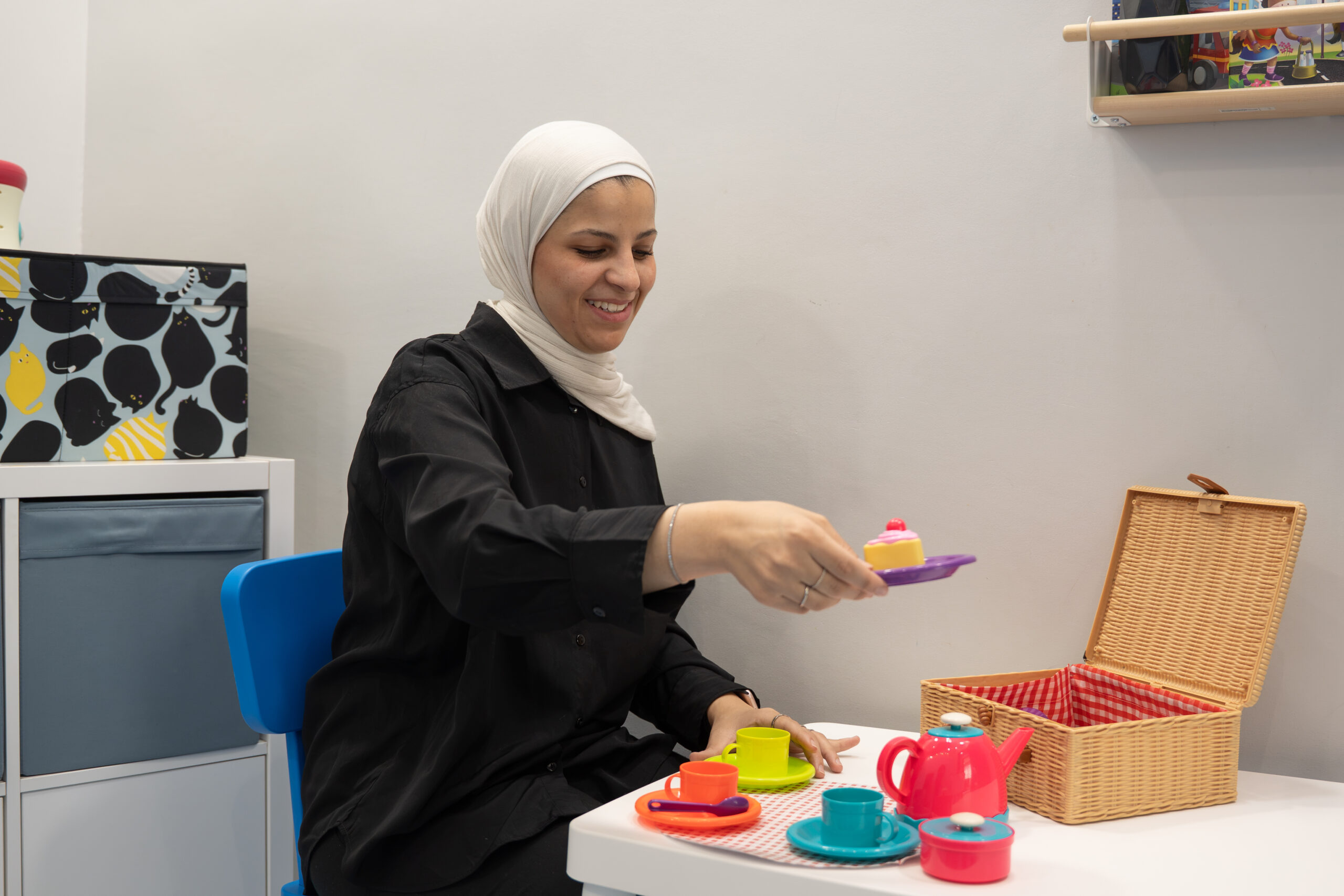
Support may address understanding language, words and sentences, speech clarity and conversation. Pictures, signs or augmentative and alternative communication can support expression when needed. Services can be useful beyond childhood.
Medical follow-up
Hearing difficulties and other health conditions may occur alongside Down syndrome. Hearing follow-up matters when assessing communication. Therapy does not replace medical care.
A shared goal
During dressing, an occupational therapist might support fastening buttons, while a speech-language pathologist supports understanding clothing names and requesting help. This example illustrates teamwork; goals depend on age and needs.
Intervention supports skills, participation and quality of life; it does not remove the genetic change. This educational information does not replace individual assessment.