
Speech and Language Therapy for Children and Adults: Understanding Communication Difficulties
Communication includes clear speech, understanding language and expressing ideas. Children and adults may experience difficulty in one or more of these areas. A speech-language pathologist can assess communication difficulties and identify appropriate support.
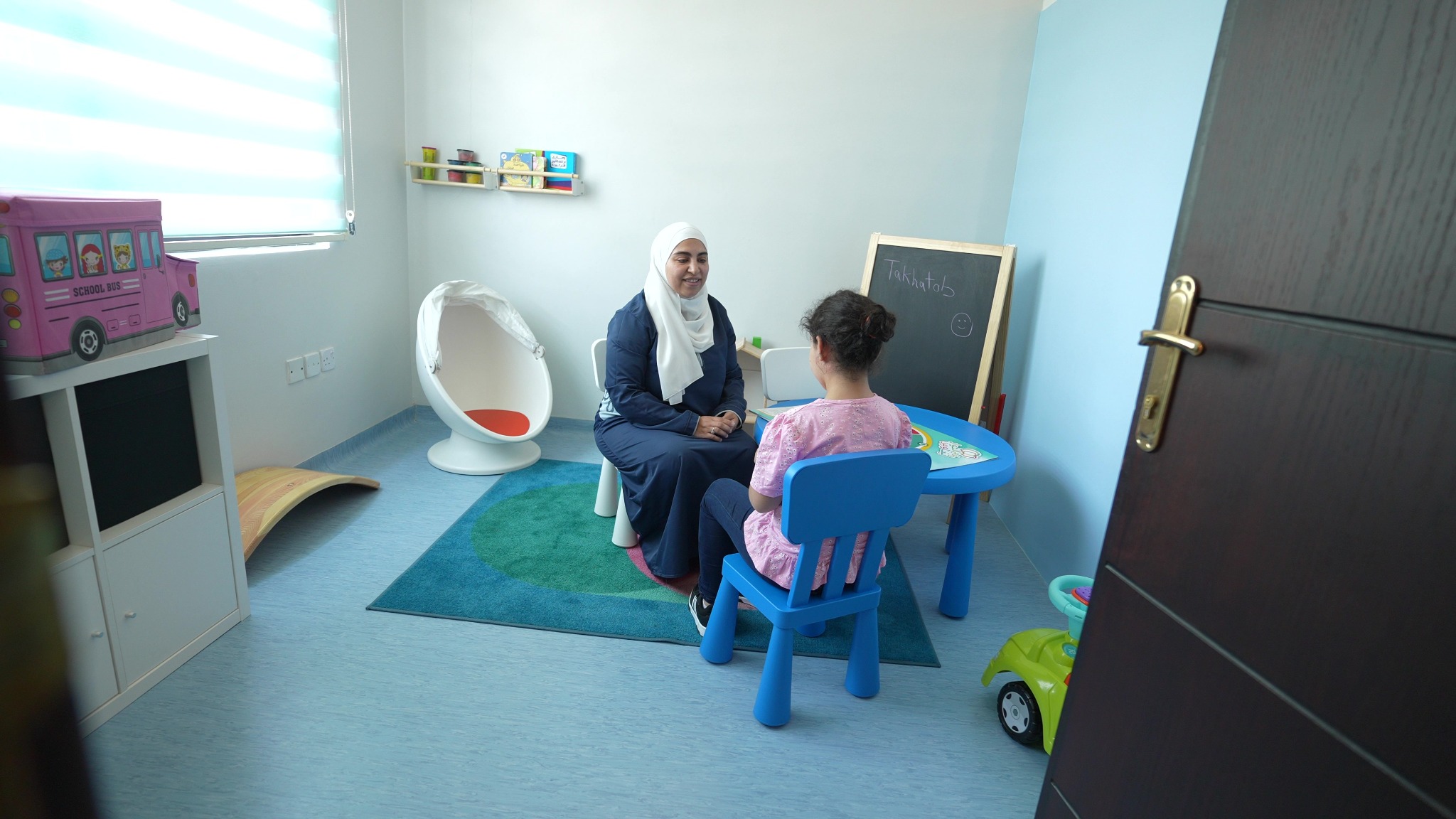
Speech and language: what is the difference?
Speech is how sounds and words are produced. Difficulties may involve unclear sounds, voice problems or stuttering. Language involves understanding and using words to share ideas, and can also involve reading and writing.
Is therapy only for children?
No. Speech and language disorders can affect both children and adults. Support depends on the difficulty and its impact on everyday communication.
How can a speech-language pathologist help?
A speech-language pathologist assesses communication disorders and works on goals suited to individual needs. Goals may address speech sounds, understanding and expression, fluency or voice. Alternative or augmentative communication may be part of support when needed.
When should you seek advice?
If you are concerned about speech clarity, understanding or expression, or communication difficulties affect daily life, seek a professional assessment. Observations alone cannot establish a diagnosis.
Questions to ask
Which communication area needs support? What is the first goal? How will progress be observed at home, school or work? How can the family apply recommendations?
This general educational information does not replace an individual assessment by a qualified professional.